
Turnkey vs Core and Shell is one of the most important decisions you will make before you start construction, because it decides your budget clarity, your workload as a client, and who is responsible when something goes wrong. Many disputes happen because the client thinks they are getting a finished space, while the contractor thinks they are delivering only the structure and basic building readiness. This guide explains Turnkey vs Core and Shell in simple, client-friendly terms, so you can choose the right model for your project.
At Shelke Constructions, both models are approached with structured planning, clear scope documentation, and stage-wise execution, because clarity at the beginning is what prevents surprise extras later. Turnkey vs Core and Shell is not about which is “better” universally. It is about which is better for your project type, your timeline, and your level of involvement.
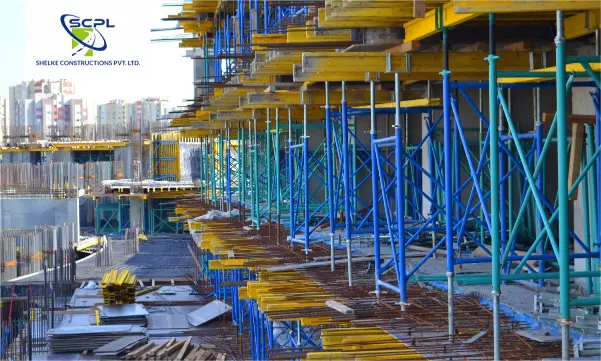
What “Core and Shell” means in simple words
In Turnkey vs Core and Shell, core and shell usually means:
- Structure is completed, including RCC frame, stairs, shafts
- Basic walls and building envelope readiness is delivered
- The building is ready for interiors and services work to begin
- The space is not “finished” for use unless additional scopes are added
Core and shell is popular when:
- A client wants to manage interiors separately
- Tenants will do their own fit-outs later
- A developer wants to deliver a standard base product
- The budget is planned in phases
At Shelke Constructions, core and shell handover is treated as a milestone with inspections and documentation so the next agencies can start without rework.
What “Turnkey” means in simple words
In Turnkey vs Core and Shell, turnkey usually means:
- One team is responsible for end-to-end delivery
- Civil, services, and finishing are coordinated under a single scope
- You receive a ready-to-use space, as defined in the agreement
- Most decisions are planned upfront to avoid clashes and rework
Turnkey is popular when:
- The client wants one accountable partner
- Timelines are tight and coordination must be strong
- The project has heavy services, like offices, clinics, restaurants
- The client wants fewer moving parts and fewer vendors
Shelke Constructions positions turnkey execution along with interiors and project management services, which is useful when clients want a single delivery team rather than many separate agencies.
The biggest difference: responsibility and coordination
The real reason Turnkey vs Core and Shell matters is responsibility.
In core and shell
- Contractor responsibility usually ends at structural and base readiness
- Interiors, services finishing, and fit-outs are managed by the client or other agencies
- Coordination risk increases because multiple teams must work together
- If a defect shows up later, responsibility can become unclear
In turnkey
- One contractor coordinates civil, services, and finishes
- Work sequencing is planned to reduce clashes
- Accountability is cleaner because responsibility is centralized
- Variation control becomes more structured if planned well
If your project requires tight coordination, Turnkey vs Core and Shell often leans toward turnkey for smoother execution.
Cost clarity: which gives more budget control?
Clients often think core and shell is cheaper, but the real question in Turnkey vs Core and Shell is cost clarity.
Core and shell budget pattern
- Lower initial contract value
- Later costs for interiors, services, and upgrades are separate
- Risk of budget drift if finishes and services are not planned early
- More variation risk when agencies overlap
Turnkey budget pattern
- Higher initial contract value because more is included
- Better visibility of total project cost upfront
- Fewer coordination-related reworks when planned well
- Easier to control changes through a single variation process
At Shelke Constructions, scope clarity is emphasized at the proposal stage, because that is where budget stability is decided.
Timeline: which finishes faster?
In Turnkey vs Core and Shell, turnkey often finishes faster for a simple reason. Fewer handovers and fewer contractors means fewer gaps.
Core and shell timelines
- Structure and shell work can finish faster
- Final completion depends on interiors and services agencies
- Delays often happen during handover points and coordination gaps
Turnkey timelines
- Planning takes more time upfront because everything is defined
- Execution is smoother because sequencing is planned end-to-end
- Overall project completion can be faster due to fewer restarts
If you need operational readiness quickly, Turnkey vs Core and Shell often supports turnkey, especially for commercial and institutional projects.
Decision checklist: how to choose the right model
Use this Turnkey vs Core and Shell checklist to decide quickly.
Choose core and shell if:
- You already have an interiors team you trust
- You want flexibility to phase your spend
- Tenants will do their own fit-out later
- You are comfortable managing multiple agencies
- The project is primarily structural with basic finishes
Choose turnkey if:
- You want a single accountable partner
- You want clear end-to-end budget visibility
- Your project has heavy services coordination
- You want fewer vendors and fewer follow-ups
- You want predictable timelines and cleaner handovers
Shelke Constructions offers turnkey and related execution models, which helps clients choose based on their involvement level and project complexity.
Common misunderstandings that create disputes
If you are deciding Turnkey vs Core and Shell, avoid these common mistakes:
- Assuming windows, waterproofing, or plaster is included without it being written
- Assuming electrical and plumbing means full systems, when it may mean only provisions
- Not defining finish levels and brands early in turnkey projects
- No written method for pricing variations and upgrades
- No clear handover definition, like “ready for interiors” vs “ready to use”
A simple fix is to insist on a written inclusions and exclusions list, no matter which model you choose.
How to structure your agreement for fewer surprises
For Turnkey vs Core and Shell, your agreement should include:
- Clear scope statement with inclusions and exclusions
- Material and brand list for major items
- Timeline with milestones and dependencies
- Billing schedule tied to measurable progress
- Variation process and approval method
- Handover definition and defect liability approach
At Shelke Constructions, documentation and stage-wise signoffs are positioned as part of client transparency and delivery discipline.
FAQs
1) Is turnkey always more expensive than core and shell?
Turnkey usually looks higher because more is included in one contract. Core and shell can cost similar overall once interiors and services are added later.
2) Can I start with core and shell and later convert to turnkey?
Yes, but conversion needs a fresh scope and cost plan to avoid overlaps and rework. The earlier you decide, the smoother the transition.
3) Which model is better for a commercial office or clinic?
Turnkey is often easier because services coordination is heavy and needs sequencing. Core and shell works if your tenant will handle all fit-outs.
4) What should be clearly written in both models?
Inclusions, exclusions, finish level, and services scope must be explicit. Also define the handover stage clearly.
5) How do I reduce disputes in either model?
Use written variations, milestone billing, and weekly reporting. Clear documentation beats assumptions every time.