
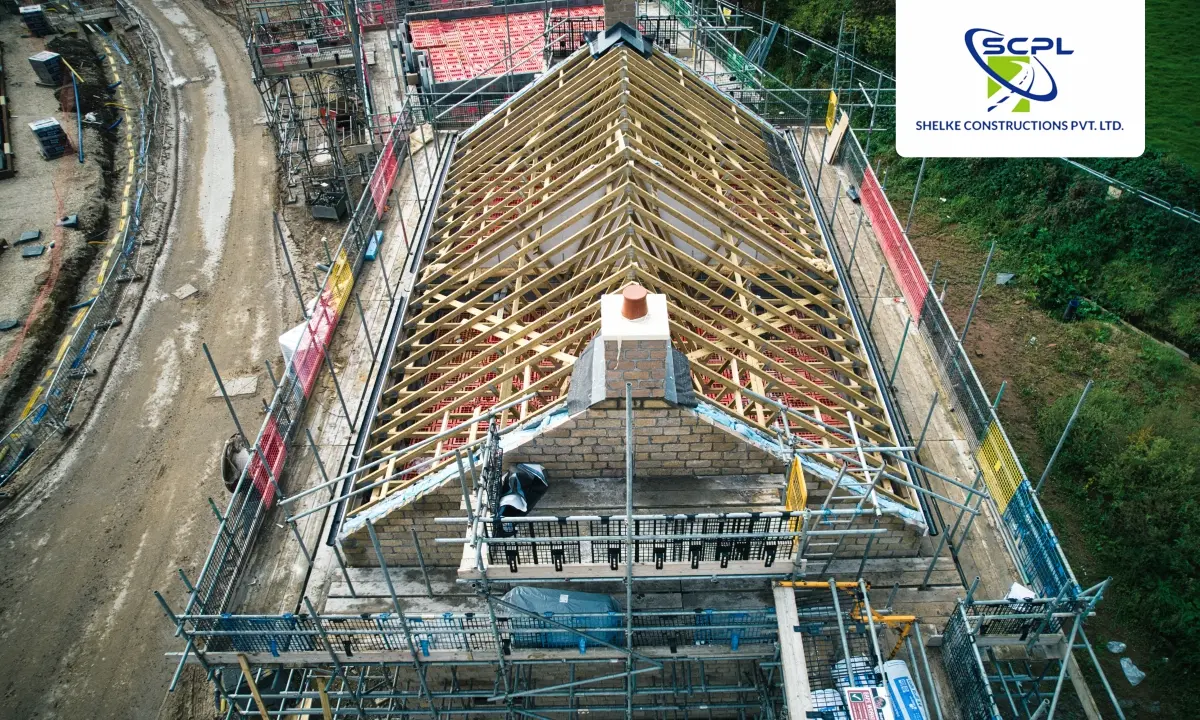
Core and Shell Construction is the stage where a building becomes a real, load-bearing structure, but not yet a finished, ready-to-move-in space. Most cost disputes in projects happen because people assume “core and shell” includes everything, while the contract scope often stops well before interiors, services fit-outs, and final finishes. This guide explains Core and Shell Construction clearly, including what is typically included, what is typically not, and what to confirm before you sign off the scope.
At Shelke Constructions, core and shell work is treated as execution with process, not just pouring concrete. The on-site sequence, quality hold points, and documentation discipline decide whether the structure stays durable, aligned, and ready for smooth follow-on trades.
Want a quick overview of how our team executes projects end-to-end?
Start here
What Core and Shell Construction Usually Includes
Core and Shell Construction generally covers the complete structural framework and the building envelope up to a defined “handover-ready for interiors/services” point. Think of it as “the backbone and the protective skin,” not the furniture and final finishes.
1) Structural frame
This is the heart of Core and Shell Construction:
- Excavation and foundations (as per drawings and soil data)
- PCC, footings, pedestals, plinth beams
- RCC columns, beams, slabs, staircases
- Lift core structural work where applicable
- Structural waterproofing where specified for basements, terraces, podium slabs
2) Masonry and basic civil works
Depending on scope, Core and Shell Construction may include:
- External and internal blockwork or brickwork (as per drawings)
- Parapet walls and shaft walls
- Basic plaster for external surfaces (sometimes included, sometimes excluded)
3) Building envelope and protection
Many projects define Core and Shell Construction to include:
- External plaster, basic façade substrate work
- Basic waterproofing in wet areas or terrace (scope-dependent)
- Openings prepared for doors/windows (frames may or may not be included)
4) Core building circulation
In most definitions, the “core” in Core and Shell Construction includes:
- Staircase structural work and basic finishing up to defined level
- Lift shaft civil works
- Common area structural readiness
Want to understand the way we structure planning, execution, and sign-offs?
See our process focus
What Core and Shell Construction Usually Does Not Include
This is where clarity matters. Core and Shell Construction often excludes anything that is “finish-ready” or “occupancy-ready.”
1) Interior finishes
Most Core and Shell Construction scopes exclude:
- Flooring, skirting, wall tiles
- Internal putty, painting, wallpaper
- False ceiling, partitions, decorative finishes
- Carpentry, modular work, wardrobes, kitchens
2) MEP fit-outs beyond basic provisions
Core and Shell Construction may provide sleeves, shafts, and basic conduits, but commonly excludes:
- Final electrical fixtures and final wiring
- Plumbing fixtures, sanitaryware, CP fittings
- Firefighting piping networks and final testing
- HVAC ducting, VRF systems, chillers
- DG sets, STP, WTP installation (unless specifically included)
3) Doors, windows, façade glazing
A common confusion point in Core and Shell Construction:
- Sometimes openings are provided but windows and glazing are excluded
- Sometimes frames included, shutters excluded
- Sometimes full window systems included in “shell” scope
4) External development works
Typically excluded from Core and Shell Construction unless clearly mentioned:
- Compound wall and gates
- Paving, landscaping
- Parking finishes, kerbs, external drainage finishing
- Signage and external lighting
If you want to review what is included in your scope before execution starts:
Get in touch here
The Practical On-Site Stages Within Core and Shell Construction
To read Core and Shell Construction like a pro, track scope by stages. Each stage has clear outputs.
Stage A: Substructure to plinth
- Excavation, PCC, foundation RCC
- Backfilling and compaction
- Plinth beams and plinth level checks
Stage B: Superstructure
- Column-beam-slab cycles with shuttering, reinforcement, concrete
- Staircase and lift core progress in parallel
- Quality checks: cover, line/level, cube tests, curing
Stage C: Masonry and envelope readiness
- External and internal blockwork/brickwork
- External plaster or façade substrate readiness
- Waterproofing where specified
Stage D: Handing over for follow-on trades
This is where Core and Shell Construction usually ends:
- A stable, aligned structure
- Openings and shafts formed
- Surfaces ready for MEP and interiors to begin
At Shelke Constructions, this stage is treated as a handover milestone with documentation and inspection, so that interiors and services can start without rework.
Want to explore the kinds of projects we execute across categories?
Browse a few project snapshots
Checklist: Questions to Confirm Before You Finalize Core and Shell Scope
Use this list to remove ambiguity in Core and Shell Construction.
- Does scope include external plaster and waterproofing, or only structural RCC?
- Are windows/glazing included, partially included, or excluded?
- Are staircase and common areas only structural, or also finished?
- Are MEP provisions included (sleeves, shafts, conduits), or full systems?
- Is terrace waterproofing included, and which system is specified?
- Are compound wall, paving, external drains included or excluded?
- What is the handover definition, “ready for interiors” or “ready for occupancy”?
- What tests and documents are part of handover?
This is also where a BOQ and drawings alignment matters. Core and Shell Construction becomes smooth when scope language and measurement rules are clear from day one.
Want to align scope, timelines, and execution planning in one conversation?
Reach our team here
Core and Shell vs Turnkey: The Clean Difference
Core and Shell Construction ends at structural and envelope readiness. Turnkey generally goes further, covering interiors, services, and delivery of a ready-to-use space. Shelke Constructions also offers end-to-end execution models, including turnkey and structured project management, depending on the project need.
If you are exploring a turnkey approach instead of core and shell:
Check the service overview
FAQs
1) What is core and shell construction in simple words?
Core and shell construction means completing the structure and basic outer building readiness, not interiors and final finishes.
2) Does core and shell include electrical and plumbing?
Usually only basic provisions like shafts and sleeves, unless the scope clearly includes full MEP systems.
3) Are windows included in core and shell construction?
Sometimes yes, often no. Confirm if openings only are included or complete window systems too.
4) Does core and shell include waterproofing?
It can, especially terrace or basement waterproofing, but it must be explicitly listed in scope.
5) What should a core and shell handover include?
Structure completion status, quality records, drawings alignment, and a defined readiness point for interiors and services.